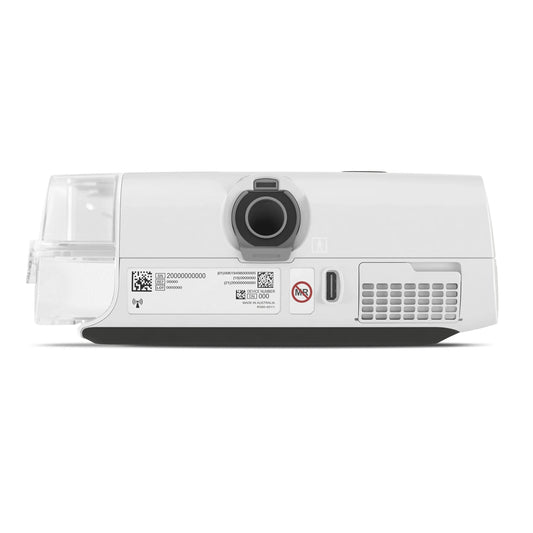
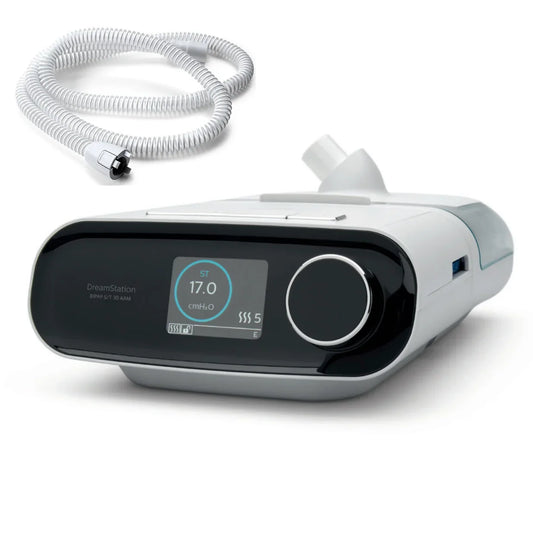
BiPAP Machines in Dubai, UAE
Discover advanced respiratory support with our premium collection of BiPAP machines in Dubai, UAE. Also known as BiLevel Positive Airway Pressure (BiLevel PAP) devices, BiPAP machines are designed for patients who require two different pressure levels during breathing—one pressure when inhaling (IPAP) and a lower pressure when exhaling (EPAP). This dual-pressure therapy can improve comfort while providing effective treatment for a wide range of sleep-related breathing disorders and respiratory conditions.
At CPAP Med Trade, we offer genuine BiPAP machines from the world's leading manufacturers, including ResMed, Fisher & Paykel, Löwenstein, Philips Respironics, BMC, Breas and Yuwell. Our collection includes advanced models such as the ResMed AirCurve 10 VAuto, AirCurve 11 VAuto, AirCurve ST, AirCurve ASV, Löwenstein Prisma25S, Prisma25ST, Prisma VENT series, BMC G3 B25VT, Philips DreamStation BiPAP Auto, DreamStation BiPAP Pro and other clinically proven BiLevel devices. Whether you require BiPAP therapy for sleep apnea, central sleep apnea, obesity hypoventilation syndrome or long-term respiratory support, you'll find trusted solutions backed by expert advice.
Unlike standard CPAP or Auto CPAP machines, BiPAP devices deliver separate inhalation and exhalation pressures, making breathing feel more natural for users who require higher therapy pressures or additional ventilatory support. Depending on the model, BiPAP machines may include advanced modes such as Spontaneous (S), Spontaneous/Timed (ST), Auto BiLevel (VAuto), ASV (Adaptive Servo-Ventilation), AVAPS and volume-assured pressure support, allowing clinicians to tailor therapy to individual patient needs. Many devices also feature heated humidification, automatic pressure adjustment, backup respiratory rate, leak compensation, Bluetooth connectivity, wireless therapy reports, quiet operation and comprehensive sleep data tracking.
Our BiPAP collection is suitable for patients with obstructive sleep apnea (OSA), central sleep apnea (CSA), complex sleep apnea, chronic respiratory insufficiency, COPD, neuromuscular disorders and other conditions requiring advanced non-invasive ventilation, always under the guidance of a qualified healthcare professional. We also stock a complete range of compatible BiPAP masks, tubing, humidifiers, water chambers, filters, batteries, travel accessories, SD cards, cleaning products and replacement parts to help you maintain your therapy with confidence.
As a trusted supplier of BiPAP machines in Dubai, we are committed to providing genuine manufacturer products, expert guidance and outstanding after-sales support. Whether you're upgrading your current device, purchasing your first BiPAP machine or searching for a specialist respiratory solution, our experienced team can help you select the right equipment.
Shop BiPAP machines in Dubai, Abu Dhabi and across the UAE with confidence. Enjoy competitive prices, fast nationwide delivery and genuine products from leading respiratory brands. Whether you're looking for a ResMed AirCurve, Löwenstein Prisma BiPAP, Philips DreamStation BiPAP, BMC BiPAP or another advanced BiLevel device, you'll find high-performance solutions designed to deliver comfortable, effective and reliable respiratory therapy every night.